When Marriages Start Feeling Disposable
Reflections on Divorce, Distance, and the Noise Around Us
Somewhere between wedding photographs and WhatsApp forwards, marriages have started feeling fragile.
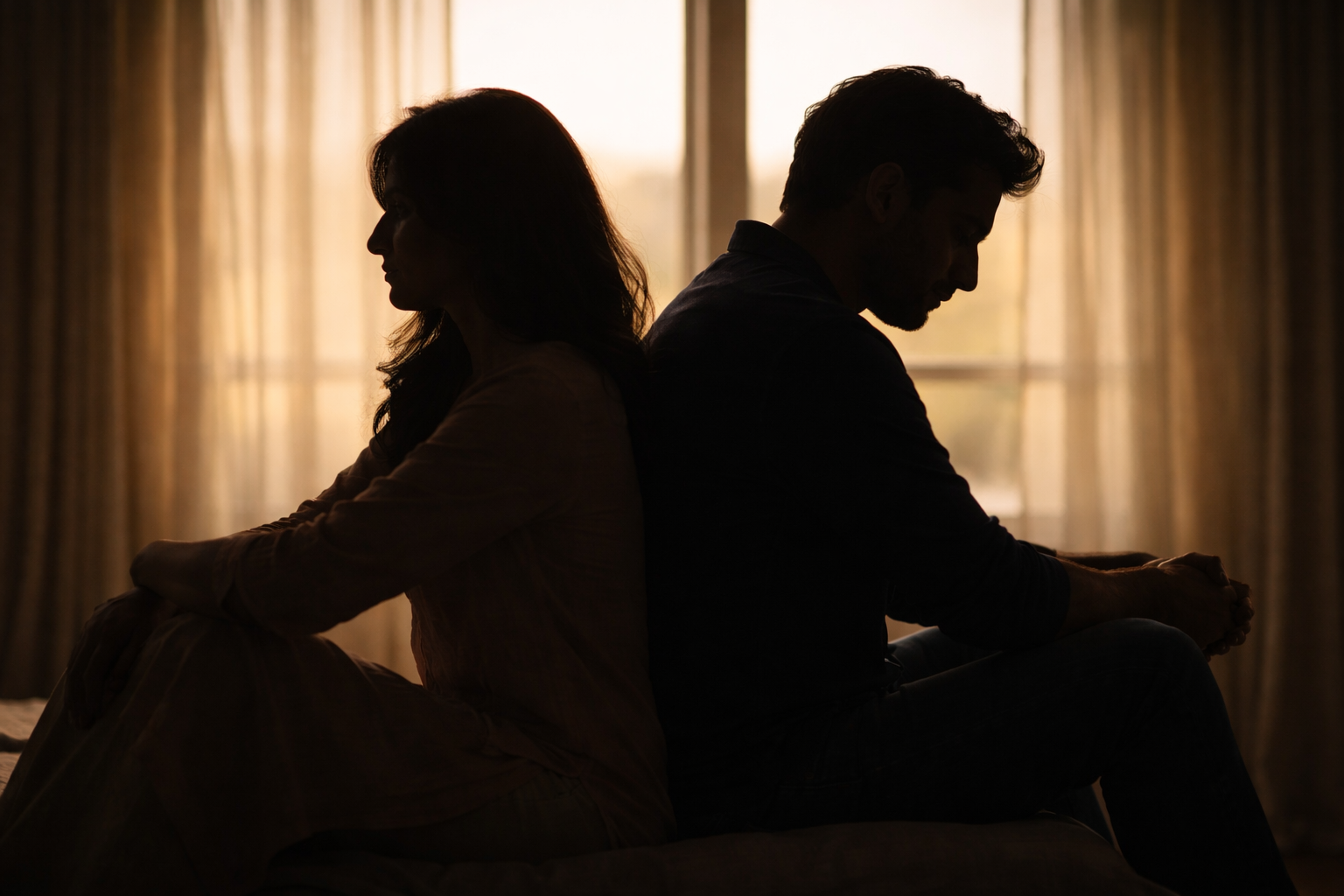
I don’t mean fragile in the dramatic sense—shouting, breaking, collapsing overnight. I mean fragile in quieter ways. In the way people withdraw faster. In the way patience runs out sooner. In the way “this is not working” is said more confidently than “let’s sit with this.”
Divorce is no longer shocking. Among Indians—both in India and abroad—it has become familiar. Not always common, but close enough to home that almost everyone knows someone. A colleague. A cousin. A neighbour. Sometimes a friend we never imagined would struggle.
People ask, “Why is this happening so much now?”
The answers come easily: late marriages, independence, phones, parents, ambition, lack of tolerance. All true. And yet incomplete.
What I see, again and again, is something deeper—we are entering marriages with fully formed lives but very little training in how to live together.
By the time many people marry today, they have lived alone for years. They know their routines, their comforts, their triggers. They are used to deciding for themselves. That independence is not a flaw—it is an achievement. But marriage quietly asks something uncomfortable in return: space for another person’s rhythm.
And that’s where friction begins. Not because people are bad, but because adjustment now feels like surrender. Compromise feels like shrinking. Waiting feels unnecessary. Earlier generations adjusted because they had no strong individual identity to protect. This generation has one—and guards it fiercely.
I often hear people say, “Tolerance is gone.”
I partly agree. But I also know that earlier tolerance often meant silence, especially for women. That silence was not strength.
What is missing today is not tolerance, but the ability to repair. We don’t know how to stay with discomfort. How to talk without attacking. How to fight without collecting evidence. How to pause instead of escalate.
We were taught how to achieve. Not how to stay.
Growing up in smaller families has also changed us in ways we rarely talk about. When you grow up with fewer siblings, you grow up loved—but also less practised in sharing. Marriage suddenly demands cooperation, patience, and negotiation from people who were rarely required to practise these skills earlier.
Then there is ambition—especially women’s ambition. I often hear it blamed. I disagree. Ambition is not breaking marriages. What breaks them is the silence around changing roles. Women evolved faster than marriages did. Expectations were not renegotiated honestly. Emotional labour remained uneven. Resentments grew quietly.
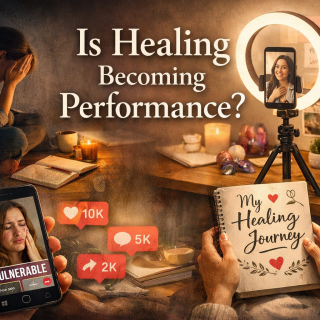
And into all of this walks social media. Social media did not create marital conflict. But it has become petrol on a fire that already exists.
Every day, I see posts in women’s groups. Stories of disappointment. Of neglect. Of anger. Of feeling unheard. Many of these women are genuinely hurting. That pain is real. What follows, though, worries me. Strangers respond with certainty. Advice is instant. Absolute. Leave him. Don’t tolerate. This is your life. No one asks what has already been tried. No one knows the other side. No one will carry the consequences of that advice.
I often wonder—how much of this advice is wisdom, and how much is unresolved frustration finding an outlet? Pain shared is powerful. But pain shared without reflection can harden into identity. When everyone agrees you are only wronged, repair begins to feel like betrayal—of yourself, of your pain, of the group that validated you.
As a counsellor, this is one of the hardest spaces to work in. Women come to me depressed, exhausted, convinced there are no options left. And many times, their suffering is undeniable. But often the story they carry is already complete. Closed. Any gentle attempt to explore patterns, responses, or possibilities feels like blame.
Healing becomes difficult when validation is the only acceptable response. I have learned that some people don’t come to counselling looking for change. They come looking for confirmation. And when suffering becomes identity, healing feels like erasure. Earlier generations stayed because leaving was impossible. This generation leaves because leaving is available. Both have costs.
The real crisis is not divorce. It is that we enter marriage without learning how to remain—how to repair, how to grow, how to hold two truths at once: my pain matters, and so does the relationship. I don’t want women to go back to silence.
I also don’t want marriages to be dismantled by noise. What we need is emotional maturity—not slogans. Conversations—not verdicts. Support that encourages thinking, not reacting.
Marriage is not about winning or losing. It is about learning how to stay human with another human—without disappearing, and without destroying. If this feels familiar, it’s because it is happening around us. And sometimes, within us.