When Strength Makes Us Silent — A Mother’s Cry in the Face of Violence
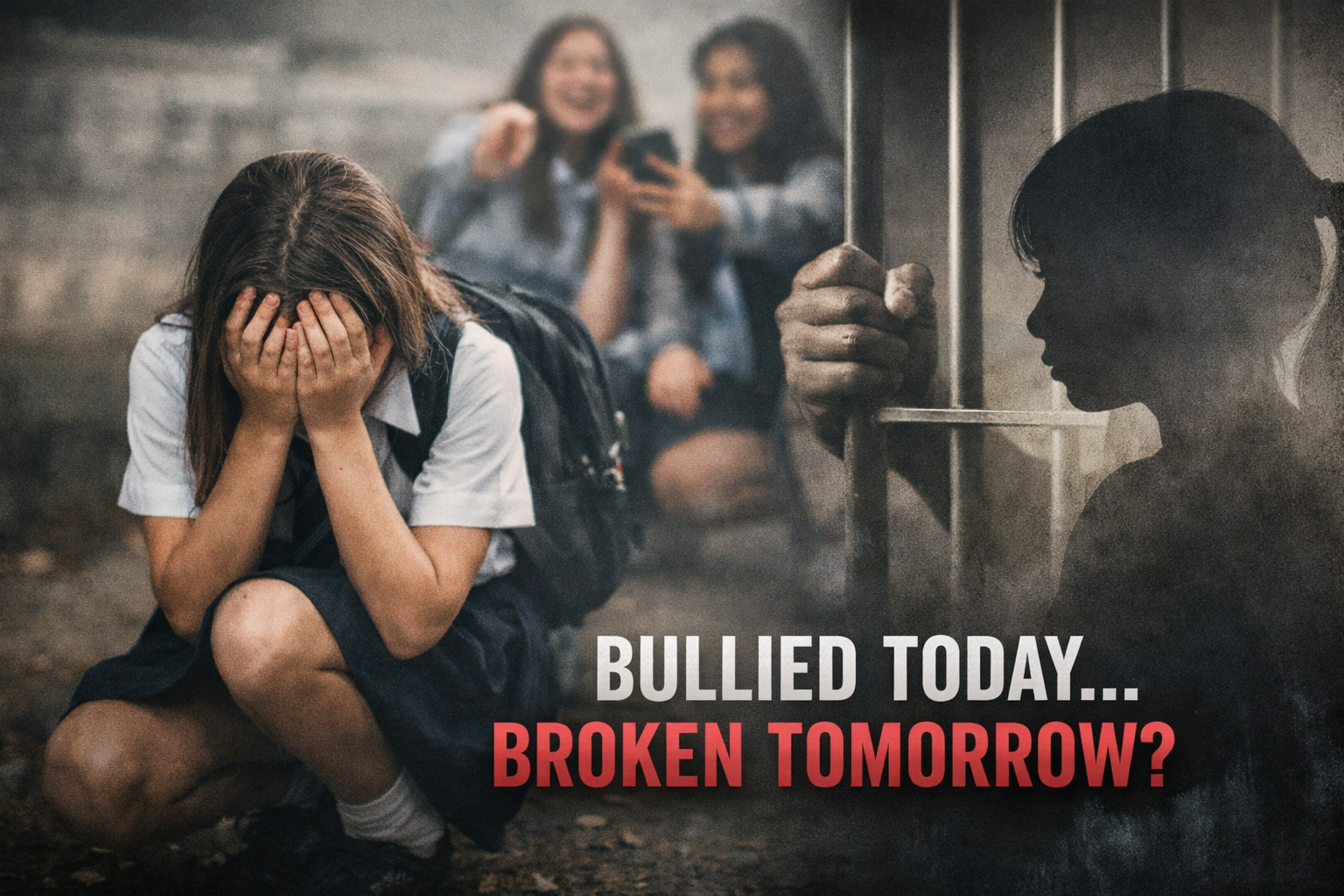
There are some news stories you read, and they pass.
And then there are some that do not leave you. They sit in your chest, heavy and unmoving, like grief that refuses to settle. The recent incident of a schoolgirl being brutally bullied in Sydney is one of those stories that stays.
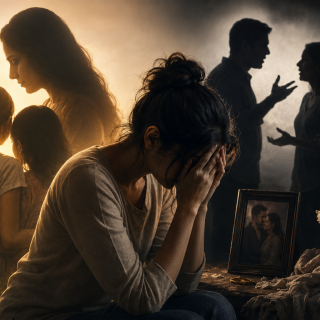
As a mother of two daughters, I did not just read this incident. I felt it. I could hear that girl’s fear in those messages. I could imagine her looking around, hoping someone would come, someone would notice, someone would stop it. And what disturbs me most is not just what happened to her, but what it reveals about us. Because this is not just bullying. This is dehumanisation.
What Kind of Mind Does This?
We are very quick to use words like “psycho”, “evil”, or “criminal”. These words give us temporary relief because they create distance between “us” and “them”. But as a counsellor, I cannot stop there. Behaviour like this does not appear suddenly at thirteen.
Research in adolescent psychology consistently shows that severe peer aggression is often linked to three interconnected patterns: desensitisation to violence through repeated exposure in home or media environments, incomplete development of empathy often associated with emotional neglect or inconsistent attachment, and powerful group dynamics where dominance, humiliation, and control are socially rewarded. In simple words, these children were not born like this. They were shaped like this. But being shaped does not remove responsibility.
The Victim Carries It for Life
We need to stop minimising what bullying does.
Research consistently shows that victims of severe bullying are at significantly higher risk of developing depression and anxiety disorders. Many experience symptoms consistent with post-traumatic stress, including hypervigilance, nightmares, and emotional withdrawal. Over time, this impacts their ability to trust others, form relationships, and maintain a stable sense of self-worth. There is also a well-documented increase in self-harm behaviours and suicidal ideation among those who experience prolonged peer victimisation.
This is not “school drama”. This is psychological injury. And unlike a bruise, it does not fade in a week.
So Should They Be Punished Harshly?
Here is where we need to be brutally honest. If you only punish, you create better criminals.
If you only forgive, you create repeat offenders. Both extremes fail. Sending adolescents into correctional environments without structured psychological intervention often increases the risk of future offending, as research shows that deviant peer exposure can reinforce antisocial behaviour patterns. At the same time, weak or symbolic consequences send an equally dangerous message: that harm can be inflicted without meaningful accountability. So the question is not whether there should be consequences. There must be. The real question is what kind of response prevents the next victim.
What Actually Works (And Why We Avoid It)
The most effective approach is also the most difficult one, because it demands effort, consistency, and accountability from multiple systems.
First, there must be non-negotiable accountability. Not just suspension, but structured consequences where young offenders are required to confront the impact of their actions in a controlled and ethical way.
Second, psychological intervention must be mandatory. Not optional counselling, but targeted therapeutic work focusing on empathy development, impulse control, and moral reasoning.
Third, family-level intervention is critical, because behaviour of this intensity does not develop in isolation. It reflects broader relational and environmental patterns.
Finally, carefully structured restorative practices can be powerful when used correctly. This is not about forced forgiveness, but about creating conditions where understanding of harm becomes real rather than abstract. Because the goal is not revenge. The goal is to ensure there is no next victim.
But Let Me Say This Clearly, As a Mother
Even with all my training, even with all my understanding of human behaviour, there is a part of me that is still deeply shaken. Because when I imagine that girl, and I imagine my own daughters, no theory feels enough. No research feels enough. And perhaps we need to sit with that discomfort instead of rushing past it. Because something in our system is failing our children, not only the victim, but also the perpetrators.
The Final Truth We Must Face
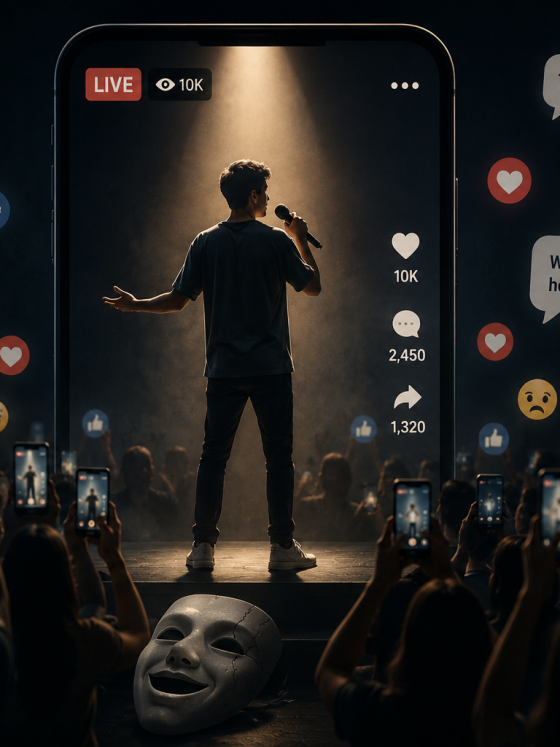
We are raising children in a world where empathy is not actively taught, where cruelty is recorded and shared, and where another person’s suffering can become content. So the question is not just, “How do we punish these girls?” The real question is, “What kind of society is producing them?” Because until we answer that honestly, this will not be the last story that breaks a mother’s heart.
References:
- Arseneault, L. (2018). The persistent and pervasive impact of being bullied in childhood and adolescence: Implications for policy and practice. Journal of Child Psychology and Psychiatry.
- Han, Z. Y. (2025). School bullying and mental health among adolescents. Translational Pediatrics.
- Sigurdson, J. F., et al. (2015). The long-term effects of being bullied or a bully in adolescence on mental health in adulthood. Child and Adolescent Mental Health.
- Wolke, D., & Lereya, S. T. (2015). Long-term effects of bullying. Archives of Disease in Childhood.
- Winding, T. N., et al. (2020). Bullying in adolescence and depressive symptoms in adulthood. BMC Psychology.
- Blanchflower, D. G., & Bryson, A. (2024). The adult consequences of being bullied in childhood. Social Science & Medicine.
- Australian Institute of Health and Welfare (AIHW). (2023). Australia’s children: Bullying and its impacts.