Amazing Kids with Amazing Future?
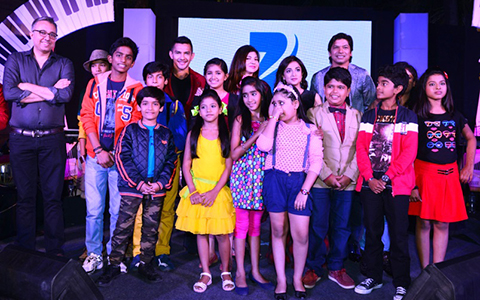
I must admit that there was a time when I was completely hooked on Sa Re Ga Ma Pa Li’l Champs on Zee TV, and my attachment to the show had little to do with the fact that I am a musician or any professional interest in music; it came from something far more instinctive and emotional, rooted in the sheer presence of children whose voices could soften the hardest hearts and whose performances often carried a depth and maturity that put many adult singers to shame.
What amazed me even more than their undeniable talent was the world they came from, because many of these children were not born into privilege or wealth, and yet their discipline, hunger to achieve, and ability to shine under immense pressure was nothing short of breathtaking, revealing a level of resilience that felt far beyond their years.
As a mother, I did not merely observe this world from a distance—I lived it. My daughter was once a participant in Sa Re Ga Ma Pa Li’l Champs International, and during that time I took an extended leave from my work in Fiji just to be by her side in India, navigating every detail from selecting the right songs to endless rehearsals, from emotional highs to nerve-wracking moments of uncertainty. Each day stretched from sunrise to midnight, with stress woven into every note and every performance, and yet alongside that pressure lived joy, pride, and the quiet hope that perhaps, just perhaps, our child might make it.
But it is after the spotlight fades that my questions truly begin, because once the lights go off, the applause dies down, and the reality show comes to an end, a far more complicated reality sets in. What happens to these children then, and where are the voices we once celebrated—names like Pawani, Sanchita, and Diwakar—whose songs once filled our living rooms and hearts? How many of them have managed to sustain visibility, let alone success, in the fiercely competitive world of Indian music and cinema?
Yes, Shreya Ghoshal stands as a shining example of what is possible, but the uncomfortable truth is that for every Shreya who rises, countless others quietly disappear, not because they lacked talent, but because the system does not have space or patience for everyone. We often forget that while the Indian entertainment industry is one of the largest in the world, the pool of talent feeding into it is even larger, and when these children are no longer in front of the camera, we rarely stop to ask where they went or what became of them.
The reality is harsh and often unspoken: no matter how gifted these children are, talent alone is rarely enough, because without sustained support—financial, emotional, and artistic—many fade away silently. Families sacrifice jobs, time, and savings to support these dreams, while children carry expectations far heavier than their age allows, and once the final episode airs, they are often left with recognition but no clear roadmap for what comes next.
I do not claim to have all the answers, but I firmly believe that we need to create platforms that extend beyond the duration of a television show, mentorships that continue long after the season ends, and support systems that do not merely showcase talent but actively nurture and sustain it. Because talent alone is not enough, visibility alone is not enough, and it is care that ultimately transforms potential into legacy.
We should not allow these young stars to become forgotten names, reduced to credits on an old YouTube video, and instead begin asking questions that go beyond who won—questions like where they are now, and more importantly, what we can do for them next.