The Many Ways We Ask to Be Seen
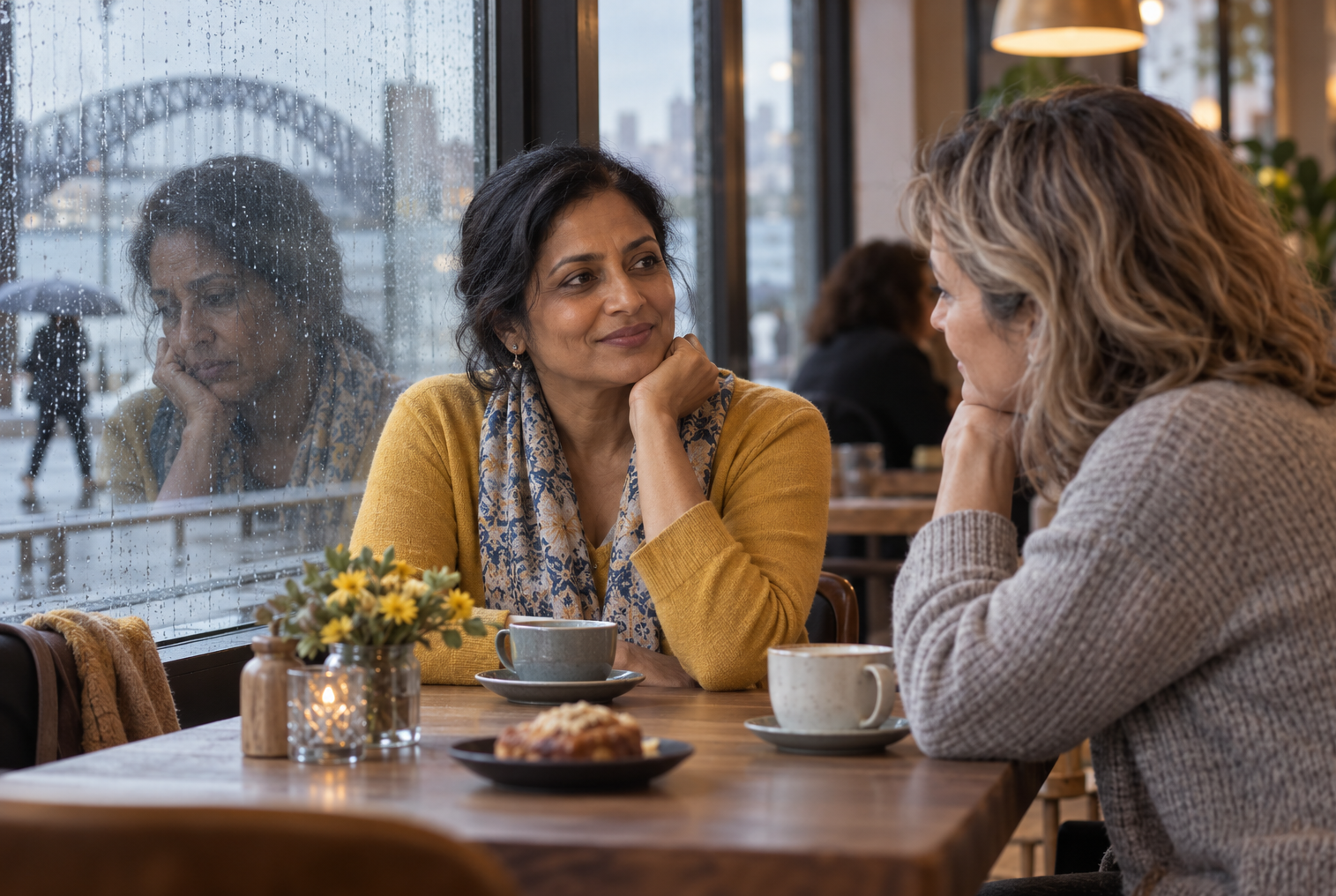
Recently, someone described a relative’s frequent Facebook photographs as egocentric and even narcissistic. A long discussion followed. Towards the end, the same person happily mentioned that her comment had attracted the attention of many people. I could not resist pointing out the irony. Perhaps she also enjoyed public attention—only through her words rather than photographs. We both laughed, but the conversation remained with me.
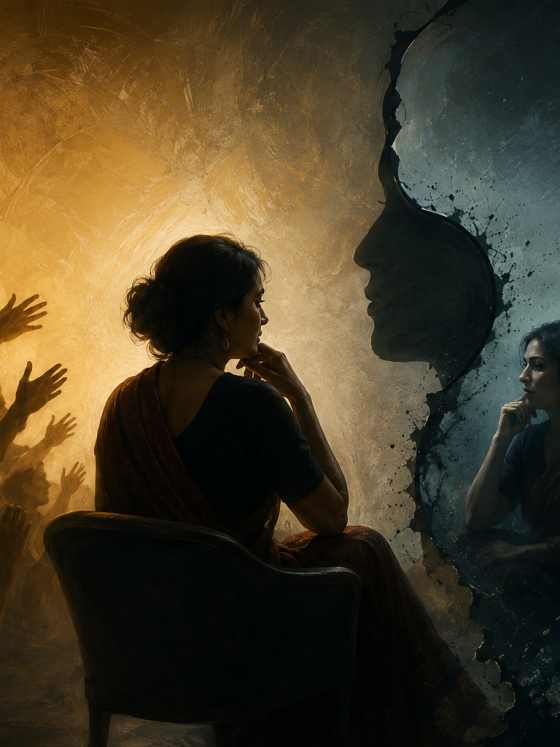
It made me realise that the wish to be noticed appears in many forms. One person posts photographs from parties. Another shares every professional achievement. Someone displays knowledge, someone offers strong opinions, and someone enjoys being known as the person who never seeks attention. Even criticism can bring its own spotlight. We usually recognise the desire for attention in other people because their way of seeking it is different from ours.
I cannot write about this as an outsider. I post my articles, books, recipes, cooking, sarees and dressing style. I share Vikram’s singing at parties and photographs from events. I enjoy it when people respond. As a writer and artist, I also need my work to reach an audience. If I never speak about a book, an article or a performance, how will people know it exists? So I would be dishonest if I criticised everyone who likes being seen while presenting my own posts as entirely meaningful.
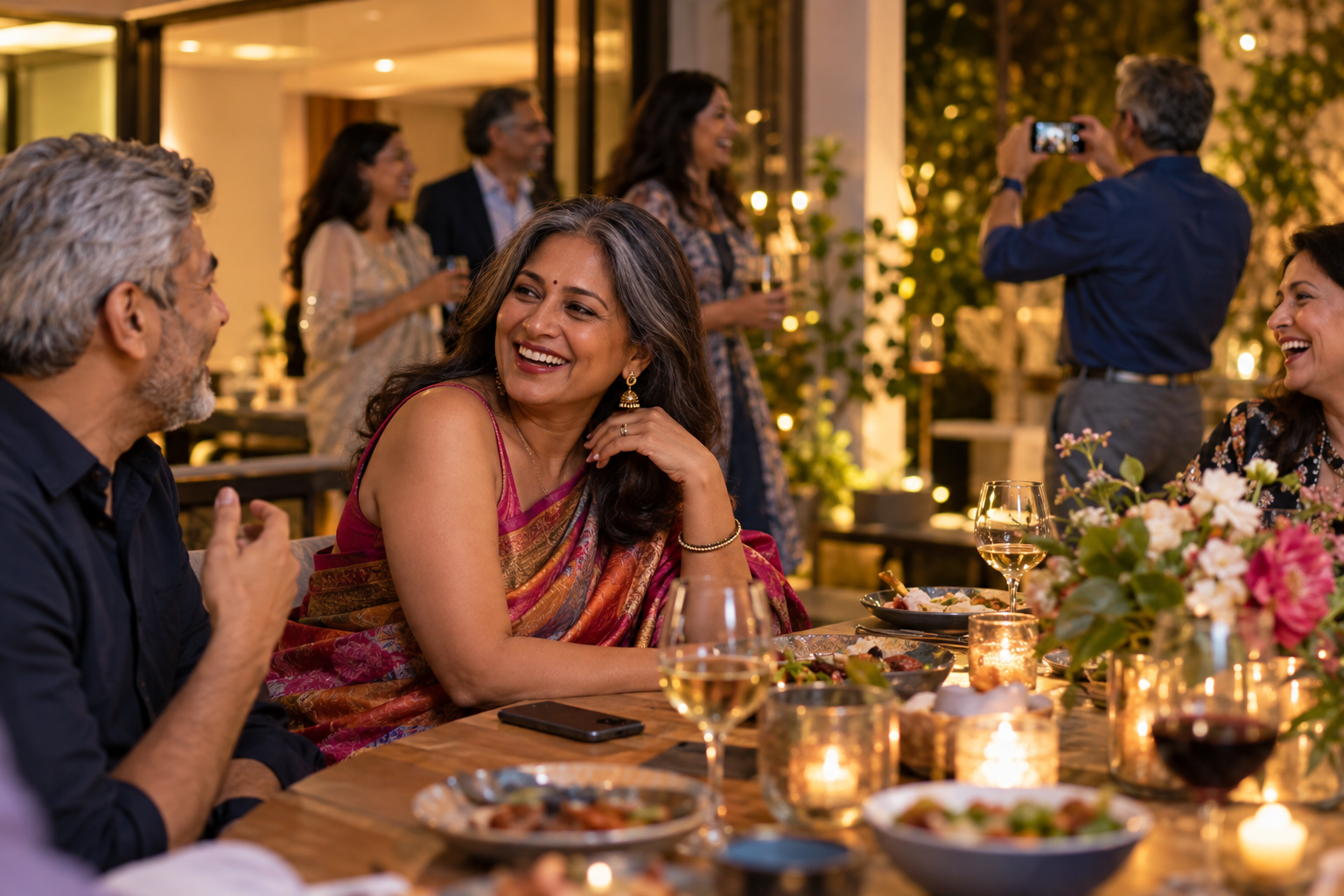
At the same time, some things on social media do make me uneasy. An evening that once belonged to the people present now seems to belong to the camera. Food waits while everyone finds the right angle. A dance is repeated because the first recording was not perfect. Before enjoying a place, we announce that we have arrived. Sometimes I wonder whether we are preserving a memory or producing evidence that we are having a good life.
There is nothing wrong with sharing happiness. A woman may post a saree simply because she loves fabric, colour and dressing well. A recipe may carry family memories. A dance reel may give confidence to someone who spent years hiding in the background. After decades of raising families and fulfilling responsibilities, people are entitled to enjoy themselves. Age should not force anyone to become invisible, serious or apologetic.
My concern is different. What happens when an experience begins to feel incomplete until it is posted? A person may attend a gathering, upload twenty photographs and then spend the rest of the evening checking who has responded. The pleasure slowly moves away from the event and towards the reaction. Likes and comments are small things, yet they can begin to decide our mood. A poorly received post may disappoint us more than we admit.
As a counsellor, I would still be very careful about attaching labels to this behaviour. Frequent posting alone does not prove narcissism, loneliness or insecurity. We see a selected moment, not the person’s full life. Someone who posts daily may be emotionally secure, while someone with a silent profile may be deeply dependent on approval in private relationships. Psychology cannot be practised by counting selfies.
The more useful questions are the ones we ask ourselves. Did I enjoy this moment before I showed it to others? Would I still wear this saree, cook this meal, take this journey or sing this song if no photograph were taken? Can I enjoy appreciation without needing it every time? There is no correct number of posts. The answer lies in how much power the audience has over the experience.
Attention itself is not shameful. From childhood onwards, we want our efforts to be noticed. Artists need audiences, professionals need visibility, and ordinary people also like appreciation. Problems begin when attention becomes the main source of self-worth. Then we may keep increasing the performance because yesterday’s response no longer feels enough. The life being shown can grow brighter while the person living it feels less satisfied.
I also think we need to leave room for different personalities. Some people naturally share everything. Others protect their privacy. One is not automatically shallow and the other is not automatically wise. We can mute, unfollow or scroll past content we do not enjoy. Personal dislike should not become a diagnosis, and our own taste should not become a rule for everybody else.
I will continue to share parts of my life. My writing, music, clothes, food and family are genuinely part of who I am. But I also want some moments that do not have to prove anything. A conversation can disappear into the evening. A meal can be eaten while it is still hot. A saree can be worn without becoming a photograph. Perhaps the healthiest balance is simple: enjoy being seen, but do not become invisible to yourself when nobody is watching.