The course of true love never did run smooth

Much has been said, written, and endlessly romanticised about love and the idea of the perfect relationship, and we grow up surrounded by images of soulmates, grand proposals, eternal happiness, and storybook endings that quietly teach us to believe that love, once found, should unfold effortlessly and remain untouched by difficulty, even though reality rarely follows a script. As William Shakespeare stated plainly centuries ago, “The course of true love never did run smooth,” and yet, despite this timeless truth, most of us still walk into love—and into marriage—expecting otherwise.
In 2015 alone, over 48,000 divorces were granted in Australia, with the divorce rate hovering around 45 percent, meaning nearly half of all marriages do not last, and this is not merely a statistic but a reflection of real people, real pain, and a real silence surrounding a truth we hesitate to confront: falling in love is easy, but staying in love is sacred work.
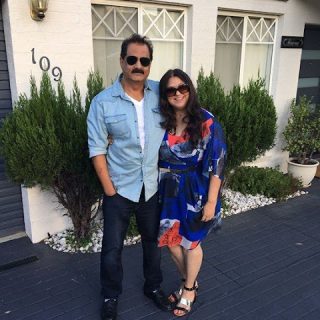
On my recent wedding anniversary, I shared a photograph of my husband and me smiling warmly, like any other “happy couple” post, and the responses arrived quickly—comments filled with admiration, affection, and curiosity, asking how we managed to stay happy together and what the secret to a lasting marriage might be. While I received those words with gratitude, I must confess that the secret is not about finding the perfect partner but about learning, over time, to truly see and appreciate the imperfect one you already have.
In the beginning, love feels effortless, almost weightless; you count the hours waiting for their call, their quirks feel charming, their flaws seem forgivable, and you don’t consciously make time for each other because you simply exist in it, happily and without strain. Perhaps that is why we call it falling in love—it happens without calculation or caution, a kind of freefall that demands no effort, which is precisely what makes it so intoxicating, though that phase, by its very nature, does not last and is not meant to.
With time, every relationship enters a quieter, less glamorous phase, where messages reduce, phone calls feel obligatory, and the very traits that once made you smile—their laugh, their messiness, their unpredictability—begin to test your patience or trigger irritation. This is the part rarely spoken about, the stage where you no longer feel “in love” in the way you once did, and questions quietly surface, asking whether this is the right person or why the spark feels absent, even as you remember how love used to feel and find yourself longing for that rush again.
It is at this point that the drift often begins, with some people escaping into affairs while others retreat into overworking, excessive hobbies, late nights, or emotional withdrawal, yet the truth remains that the problem is rarely outside the relationship—it lies within it. Falling in love with someone new may feel magical again, but given time, the same cycle will repeat unless the underlying pattern is recognised and addressed.
Staying in love is not a passive act; it requires effort, and more importantly, awareness, because love does not disappear—it shifts form, moving from butterflies to boundaries, from surprises to stability, from poetry to shared responsibilities. Choosing the same person repeatedly, even when they annoy you, bore you, disappoint you, or forget the small things that matter to you, takes intention and practice.
Love is not a riddle to be solved but a rhythm to be maintained, and like everything in life, it follows patterns that, when truly understood and applied, allow us to preserve what we have built. What we need is not perfection but patience, perspective, and practice, because from this side of marriage, I now understand that love is not the fireworks—it is the gentle light that stays on, even after the curtain falls.